
Care Needs After Discharge
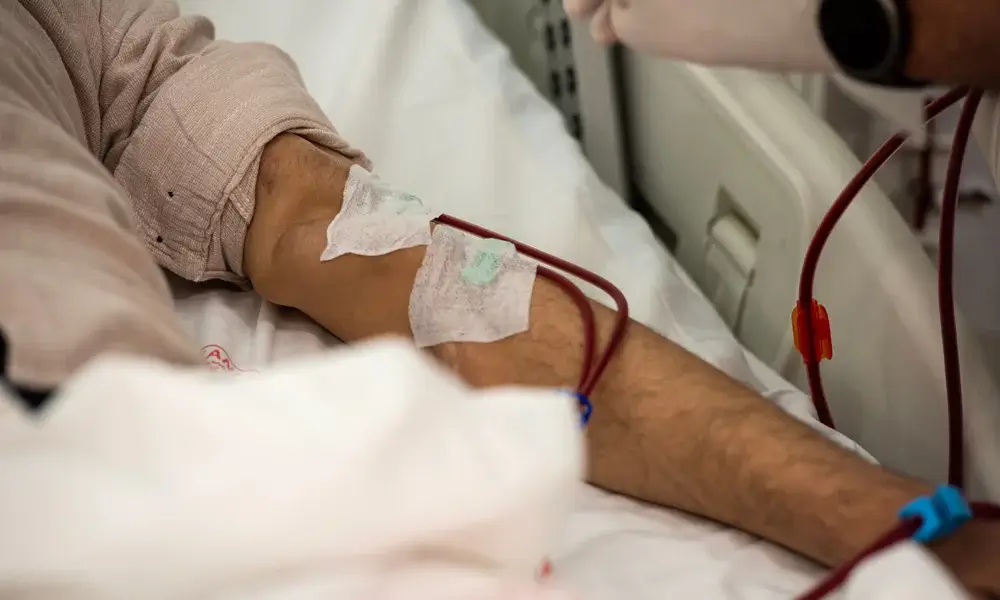
Discharge planning includes understanding what ongoing medical care may be needed.
This can include planning for dialysis, ventilator support, or other medical equipment. Your RML care coordinator helps confirm that required equipment is delivered and that home health services are arranged prior to discharge.

Family & Caregiver Support
Planning also considers who will help support care after discharge.
Care coordinators discuss who may serve as caregivers, how much support is available during the day and night, and whether caregivers will need training to assist with patient care needs at home.
Home & Environment Considerations
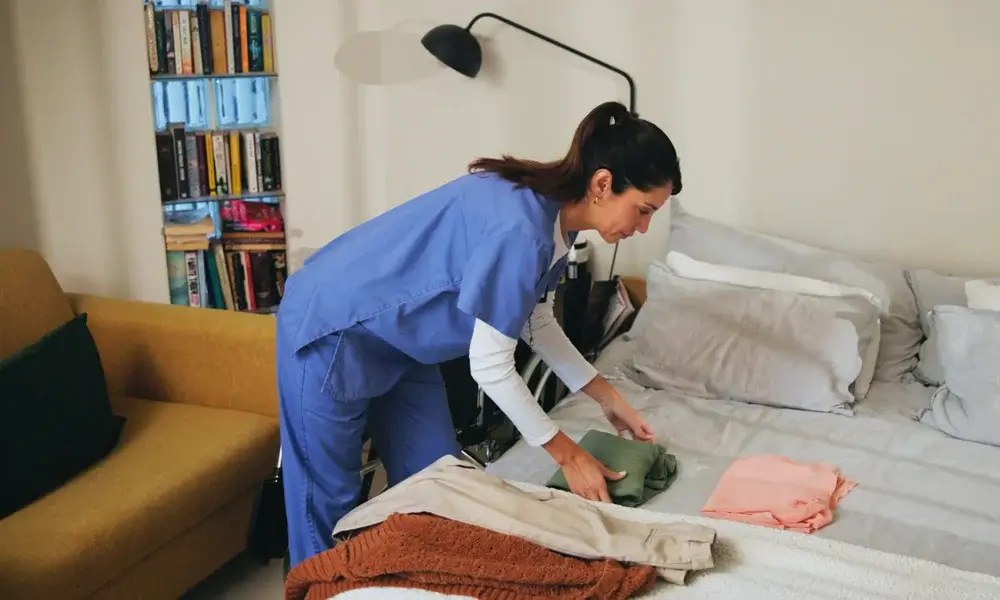
If discharge to home is being considered, the home environment is reviewed to help ensure it can safely support the patient’s care needs.
When appropriate, your care coordinator can help arrange a home assessment through a home health care company of your choice.

Community & Local Resources
Discharge planning also looks at what support services or programs may be available in the community to help patients and families after leaving the hospital.

Emotional Well-Being During Transition
Transitions in care can be challenging for patients and families.
In some cases, individuals may experience anxiety or difficulty coping during this time. Resources are available to help support emotional well-being as part of the transition process.

Ongoing Physician Communication
Discharge planning includes coordination with the physician who will follow the patient after discharge.
Your care coordinator updates the patient’s primary care physician prior to discharge to help support continuity of care.