Stroke Rehabilitation and Neurologic Recovery at RML - LTACH-Level Care for Complex Patients
Recovery after stroke, traumatic brain injury, or serious neurologic illness is often complicated by ongoing medical needs. Some patients continue to require close monitoring, respiratory support, dialysis, wound care, or management of infections long after leaving the intensive care unit.
RML Specialty Hospital provides hospital-level stroke and neurologic recovery care for patients whose recovery is affected by medical complications and who are not yet ready for traditional rehabilitation or discharge home.
When Stroke and Neurologic Recovery Require Hospital-level Care
Stroke recovery does not always follow a straightforward rehabilitation path. Many patients experience complications that delay or interrupt recovery and require continued hospital treatment.
Hospital-level stroke and neurologic recovery may be needed when patients face:
-
Medical complications such as pneumonia, respiratory failure, or infection
-
Ongoing need for ventilator support or dialysis
-
Complex wounds or pressure injuries that affect mobility and healing
-
Neurologic weakness combined with cardiac, pulmonary, or systemic illness
-
Recovery that requires frequent reassessment and adjustment of care
At RML, stroke and neurologic recovery are treated as continued hospital care, not standard rehabilitation.
How RML Delivers Hospital-Level Stroke & Neurologic Care
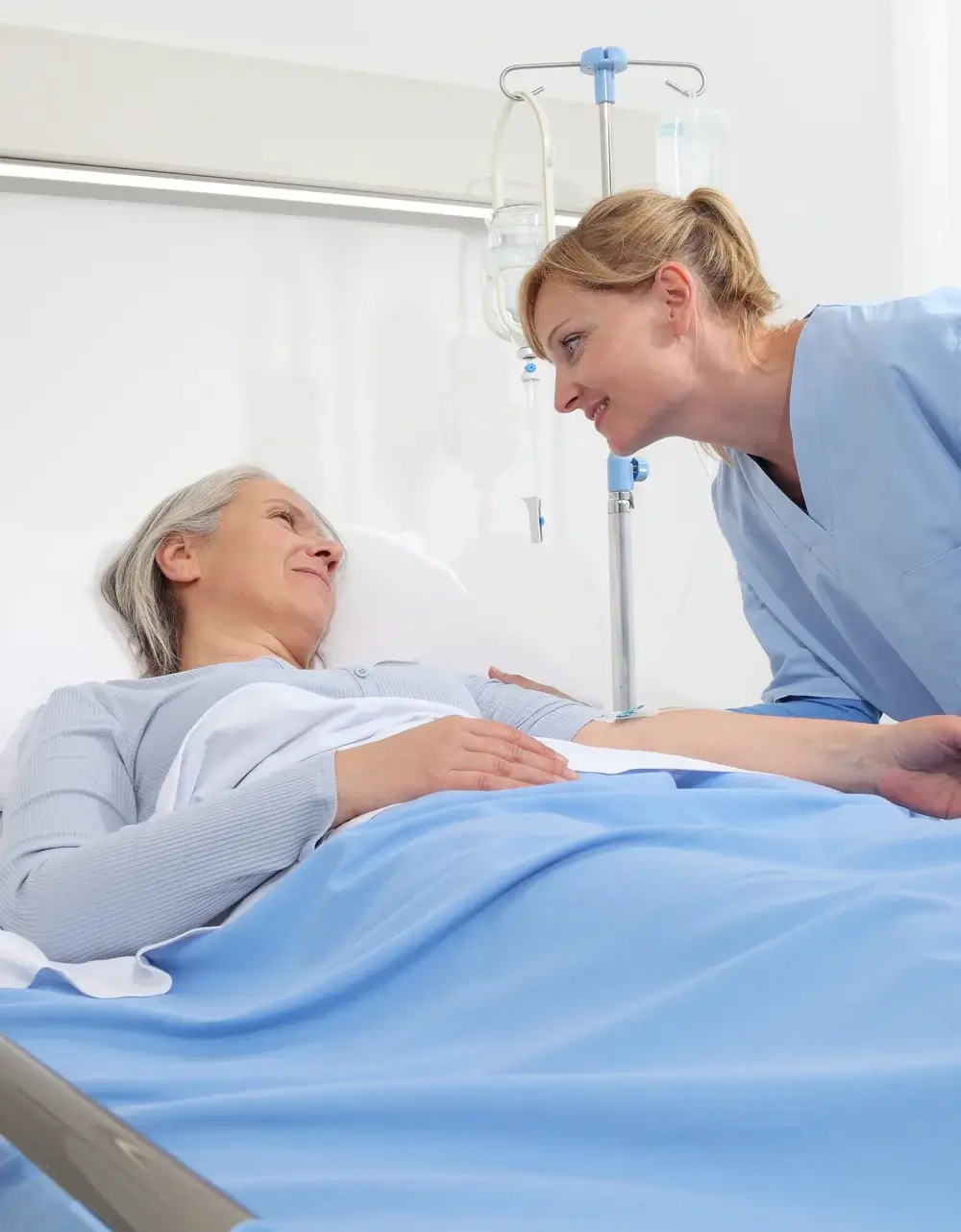
Stroke and neurologic recovery at RML are guided by physicians specializing in Physical Medicine and Rehabilitation, working within a hospital-level interdisciplinary care model.
Each patient is assigned an attending physician who oversees care throughout the hospital stay and coordinates treatment decisions based on evolving neurologic and complex medical needs.
Care is delivered through collaboration among:
-
Physicians specializing in Physical Medicine and Rehabilitation (PM&R)
-
Registered nurses experienced in caring for medically complex neurologic patients
-
Physical, occupational, and speech therapists, integrated into daily care
-
Respiratory therapists, when neurologic conditions affect breathing or airway protection
-
Infectious disease specialists, when infection complicates recovery
-
Registered dietitians (RDN), supporting nutrition essential to neurologic and physical recovery
-
Other clinical specialists, as required by the patient’s condition
Rehabilitation therapy is individualized as part of overall medical care under the direction of the Physical Medicine and Rehabilitation Physicians.
RML’s Experience in Medically Complex Neurologic Recovery
Neurologic recovery is a significant focus at RML. We are recognized as one of the region’s most experienced providers of long-term acute care stroke recovery for patients whose rehabilitation is affected by medical complexity. Including:
-
Traumatic Brain Injury (TBI)
-
Guillain-Barre Syndrome (GBS)
-
West Nile Virus
-
Multiple Sclerosis (MS)
-
Amyotrophic Lateral Sclerosis (ALS)
What Patients and Families Can Expect
Stroke and neurologic recovery can be unpredictable, especially when medical complications are present.
Patients and families can expect:
-
Ongoing communication as care plans are reviewed and adjusted
-
Clear explanations of changes in condition or treatment
-
Attention to dignity, safety, and comfort
-
Care plans that adapt as neurologic recovery and medical needs evolve
Families are supported and kept informed throughout the hospital stay.
Testimonials
“My brother was there after he suffered a brain aneurysm. The staff, as a whole, were awesome! They looked after him and took care of him so well. We couldn’t be happier with the treatment he received, and I highly recommend this facility.”
Pedro
Frequently Asked Questions
How is stroke rehabilitation at an LTACH different from a skilled nursing facility?
A Skilled Nursing Facility (SNF) provides therapy services for patients who are medically stable. An LTACH like RML provides all the same rehabilitation therapies within a physician-led, hospital-level environment. This matters significantly for stroke patients who are not yet medically stable, have complex comorbidities requiring active management, or whose neurologic recovery requires a higher level of clinical oversight than an SNF can provide. LTACH patients also typically receive more intensive daily therapy hours and direct access to specialist physicians.
What is the difference between LTACH stroke care and traditional stroke rehabilitation?
RML Specialty Hospital provides hospital-level stroke care for patients with ongoing medical needs — such as ventilator dependence, active infections, complex wounds, or dialysis requirements — that prevent safe entry into a standard rehabilitation programme. Traditional stroke rehabilitation requires patients to be medically stable and able to tolerate intensive daily therapy sessions. RML bridges the critical gap between the ICU and rehab by providing continued acute care for patients who are not yet ready for that transition — filling a care interval that neither the ICU nor a rehab facility is designed to cover.
Does RML accept stroke patients transferred directly from the ICU?
Yes. RML Specialty Hospital accepts direct ICU-to-LTACH transfers for patients recovering from ischemic stroke, hemorrhagic stroke, or serious neurologic illness who continue to require hospital-level physician oversight, monitoring, and treatment. Our nurse clinical liaisons coordinate directly with ICU discharge planners at referring hospitals across the Chicagoland area and DuPage County — including major medical centres in Chicago and the western suburbs — to assess eligibility and manage a smooth transfer.
Does Medicare cover inpatient stroke recovery care at an LTACH?
Medicare Part A covers inpatient care at an LTACH for patients who have had a qualifying hospital stay of at least three consecutive inpatient days and require hospital-level treatment for a medically complex condition — criteria that many stroke patients with ongoing complications meet. RML Specialty Hospital is a Medicare-certified Long-Term Acute Care Hospital, and reimbursement for eligible patients is processed through the Medicare LTACH Prospective Payment System (LTACH-PPS). Coverage depends on each patient's individual clinical circumstances, and families are encouraged to contact RML's admissions team to confirm eligibility and review available financial assistance options.
What neurologic conditions does RML treat beyond ischemic stroke?
In addition to ischemic and hemorrhagic stroke, RML Specialty Hospital provides hospital-level care for patients recovering from traumatic brain injury (TBI), anoxic brain injury, Guillain-Barre syndrome, and other serious neurologic illnesses that require extended inpatient treatment and close medical monitoring. This range of neurologic care makes RML one of the most comprehensive Long-Term Acute Care Hospitals for neurologic recovery in Illinois.
What is the typical length of stay for stroke rehabilitation at RML?
The average LTACH length of stay is 25 days or more. Stroke rehabilitation stays at RML vary based on the severity of the neurologic injury, the patient's overall medical stability, and their rehabilitation goals. Patients are reassessed regularly throughout their stay, and discharge planning begins early to coordinate a safe transition to the next level of care - whether home, outpatient therapy, or another care setting.
Can RML accept stroke patients transferred directly from a referring hospital?
Yes. RML Specialty Hospital accepts direct transfers from hospitals across the Chicagoland area. Our care coordination team works with referring hospitals - including Northwestern Memorial, Rush University Medical Center, and others - to complete clinical reviews, confirm eligibility, and facilitate efficient patient transitions. Families and discharge planners can initiate the referral process by contacting our admissions team directly.
What therapy services are available for stroke patients at RML?
Stroke patients at RML have access to a comprehensive rehabilitation team including physical therapy, occupational therapy, speech-language pathology (covering aphasia and dysphagia treatment), respiratory therapy where indicated, neuropsychology consultation, and social work support for family and discharge planning. All therapy is coordinated under the attending physician's care plan and customized to each patient's neurologic status and recovery goals.
Exploring the Right Next Step
If hospital-level stroke or neurologic recovery may be part of your loved one’s care journey, the resources below can help guide what to explore next.