Discharge Planning After Long-Term Acute Care

When Discharge Planning Begins

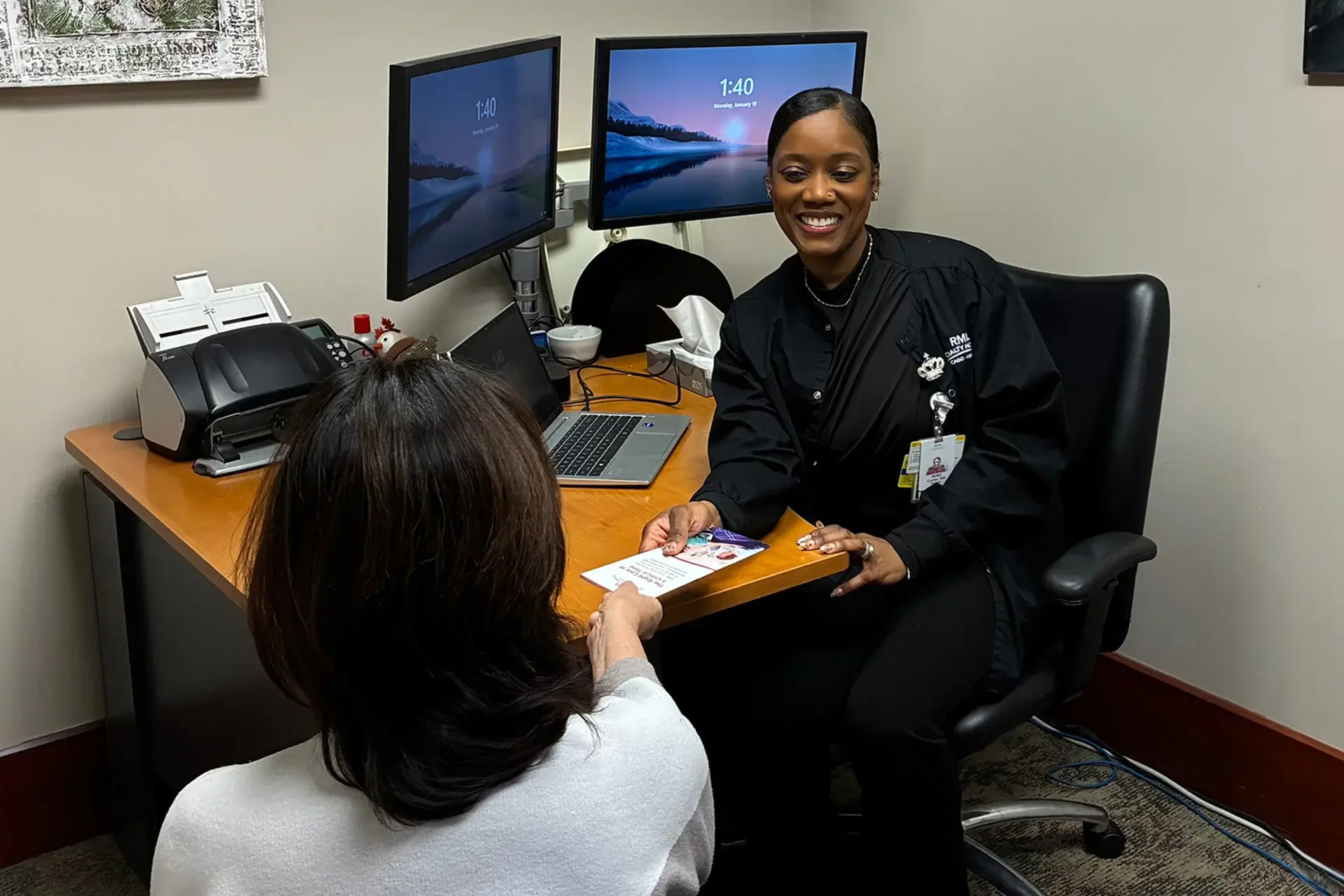
Care coordinators and physicians work closely with patients and family members to discuss care goals and identify medically appropriate options for what comes next. When discharge to home is being considered, families receive education and training to help support care needs after leaving the hospital.

A patient may be recommended for discharge once care goals are met or their potential has been reached—though determining the right next level of care is not always simple. Some patients may transition home, while others benefit from acute rehabilitation or a skilled care facility. Your care coordinator helps answer questions and guide this decision, recognizing that patient needs can change and that each transition requires thoughtful planning.

What Goes Into Discharge Planning

Discharge planning is a coordinated process designed to help patients and families prepare for the next phase of care, when it is medically appropriate.

At RML, care coordinators work closely with physicians, patients, and families to understand each patient’s needs and to help identify the most appropriate next setting—whether that is home, an acute rehabilitation program, or a skilled care facility.

The following areas are considered as part of this planning process.

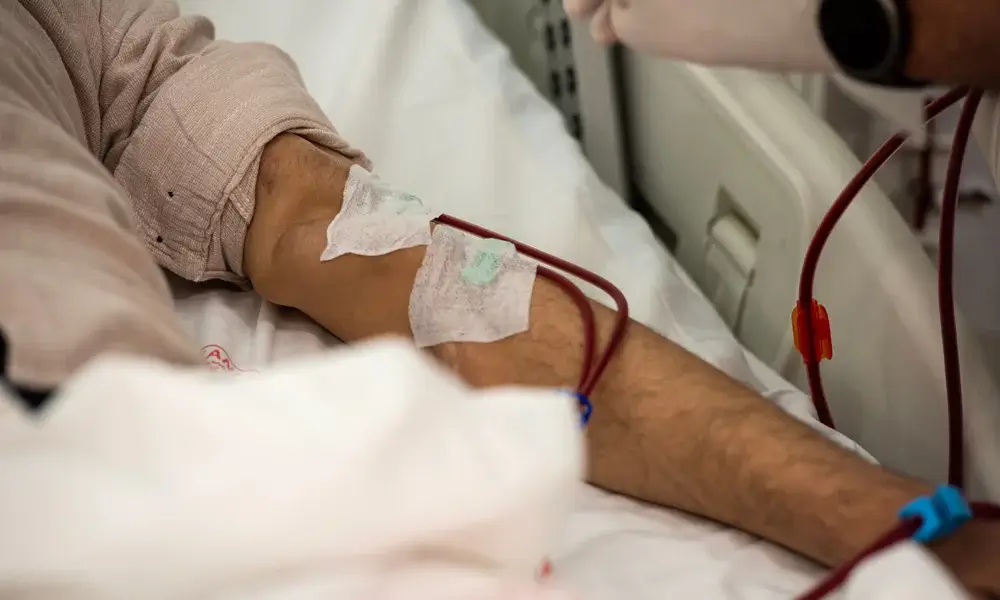
Planning medical equipment and home health care needs after hospital discharge

Care Needs After Discharge

Discharge planning includes understanding what ongoing medical care may be needed.

This can include planning for dialysis, ventilator support, or other medical equipment. Your RML care coordinator helps confirm that required equipment is delivered and that home health services are arranged prior to discharge.

Family caregiver support and training before a patient returns home

Family & Caregiver Support

Planning also considers who will help support care after discharge.

Care coordinators discuss who may serve as caregivers, how much support is available during the day and night, and whether caregivers will need training to assist with patient care needs at home.
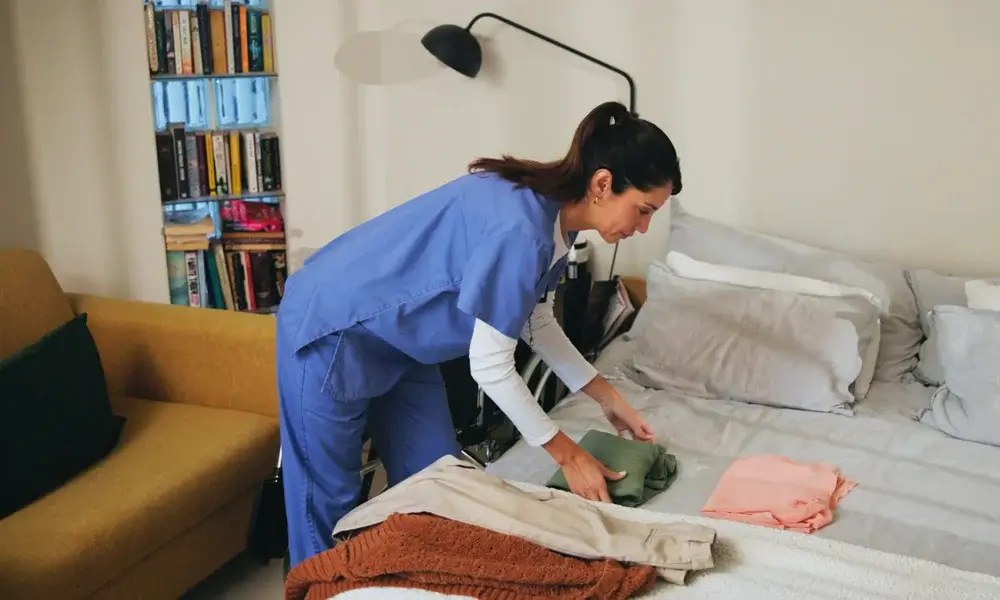
Home environment review for a safe recovery after long-term acute care

Home & Environment Considerations

If discharge to home is being considered, the home environment is reviewed to help ensure it can safely support the patient’s care needs.

When appropriate, your care coordinator can help arrange a home assessment through a home health care company of your choice.
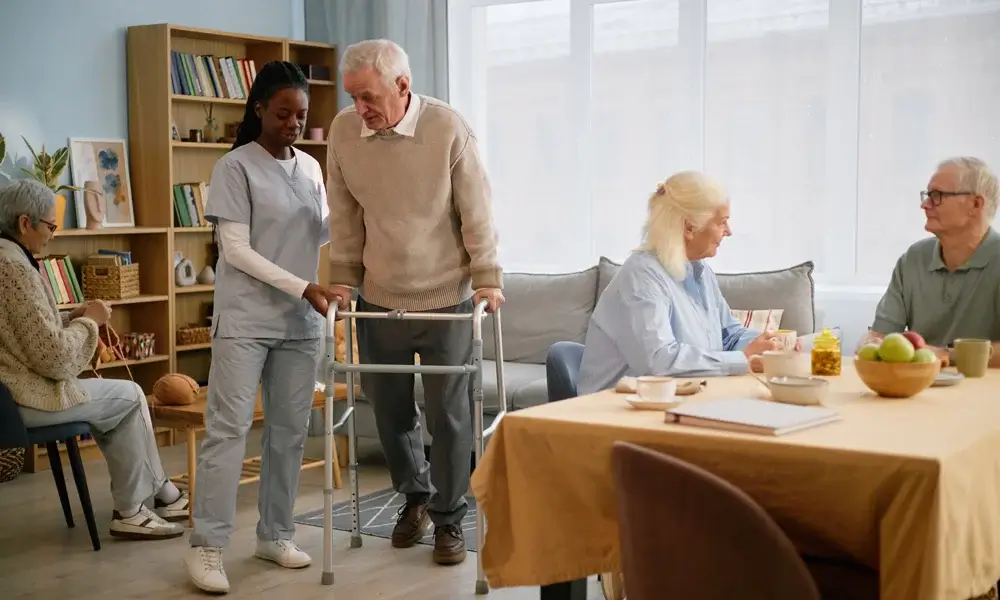
Community resources for patients and families after hospital discharge

Community & Local Resources

Discharge planning also looks at what support services or programs may be available in the community to help patients and families after leaving the hospital.
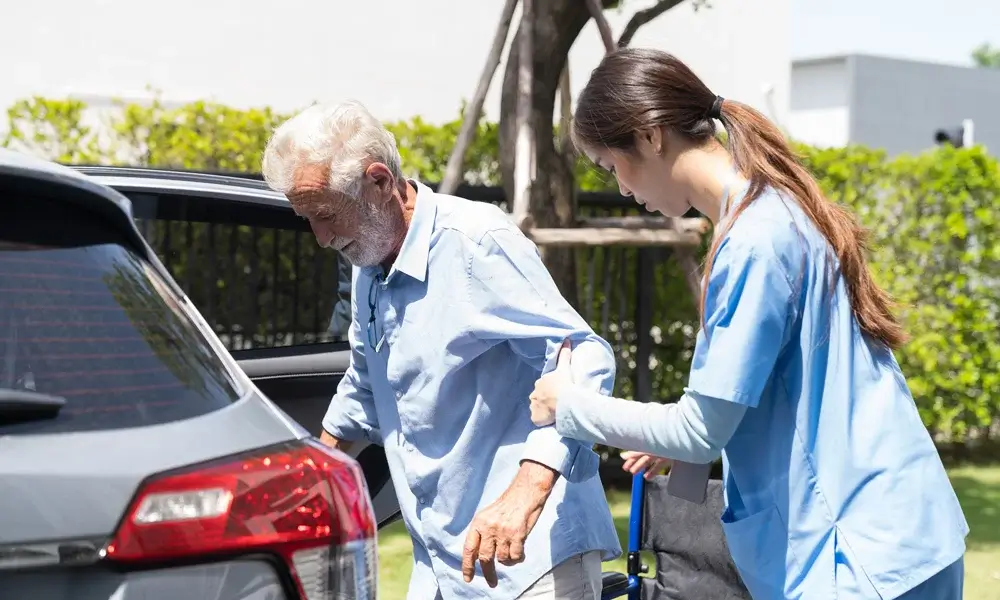
Emotional well-being support during a transition in care

Emotional Well-Being During Transition

Transitions in care can be challenging for patients and families.

In some cases, individuals may experience anxiety or difficulty coping during this time. Resources are available to help support emotional well-being as part of the transition process.

Care coordination with the patient's physician before discharge

Ongoing Physician Communication

Discharge planning includes coordination with the physician who will follow the patient after discharge.

Your care coordinator updates the patient’s primary care physician prior to discharge to help support continuity of care.


Additional Resources for Patients & Families

The following pages may be helpful as you prepare for discharge:

RML Patient and Family Handbook in English and Spanish

Patient Handbook (EN / ES)

What to expect before, during, and after a hospital stay
Patient rights and privacy information at RML Specialty Hospital

Patient Rights & Privacy

Information about patient rights, privacy, and protections
Answers to common questions about long-term acute care at RML

FAQs

Answers to common questions before admission, during the stay, and after discharge

Need Help or Have Questions?