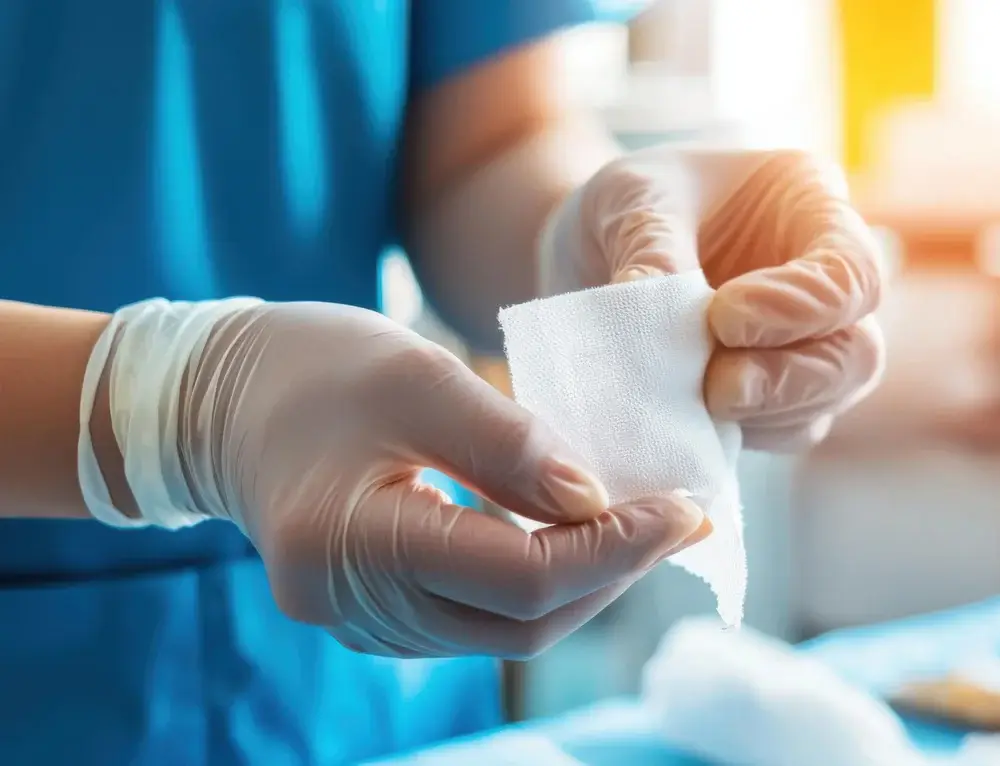
Hospital-level Care for Complex and Non-healing Wounds
Some wounds carry a serious risk of infection and do not heal easily—especially when patients are recovering from critical illness, surgery, or prolonged hospitalization. When wounds are accompanied by multiple medical complications, recovery often requires close medical oversight and coordinated care in a hospital setting.
RML Specialty Hospital provides hospital-level wound care for medically complex patients who need time, stability, and specialized support as part of a broader recovery process.
When Wound Care Requires Hospital-level Care
Wounds can become medically complex when healing is affected by infection, limited mobility, compromised circulation, or underlying illness. In these situations, wound care cannot be safely managed in outpatient settings, rehabilitation facilities, or at home.
Patients may require hospital-level wound care when wounds are associated with:
-
A serious risk of infection, including antibiotic-resistant organisms
-
Multiple medical complications affecting healing and recovery
-
Prolonged immobility following critical illness or surgery
-
Poor nutrition, vascular disease, or compromised immune function
-
Ongoing respiratory, neurologic, or systemic medical needs
At RML, wound care is addressed as part of continued hospital treatment—not as an isolated condition.
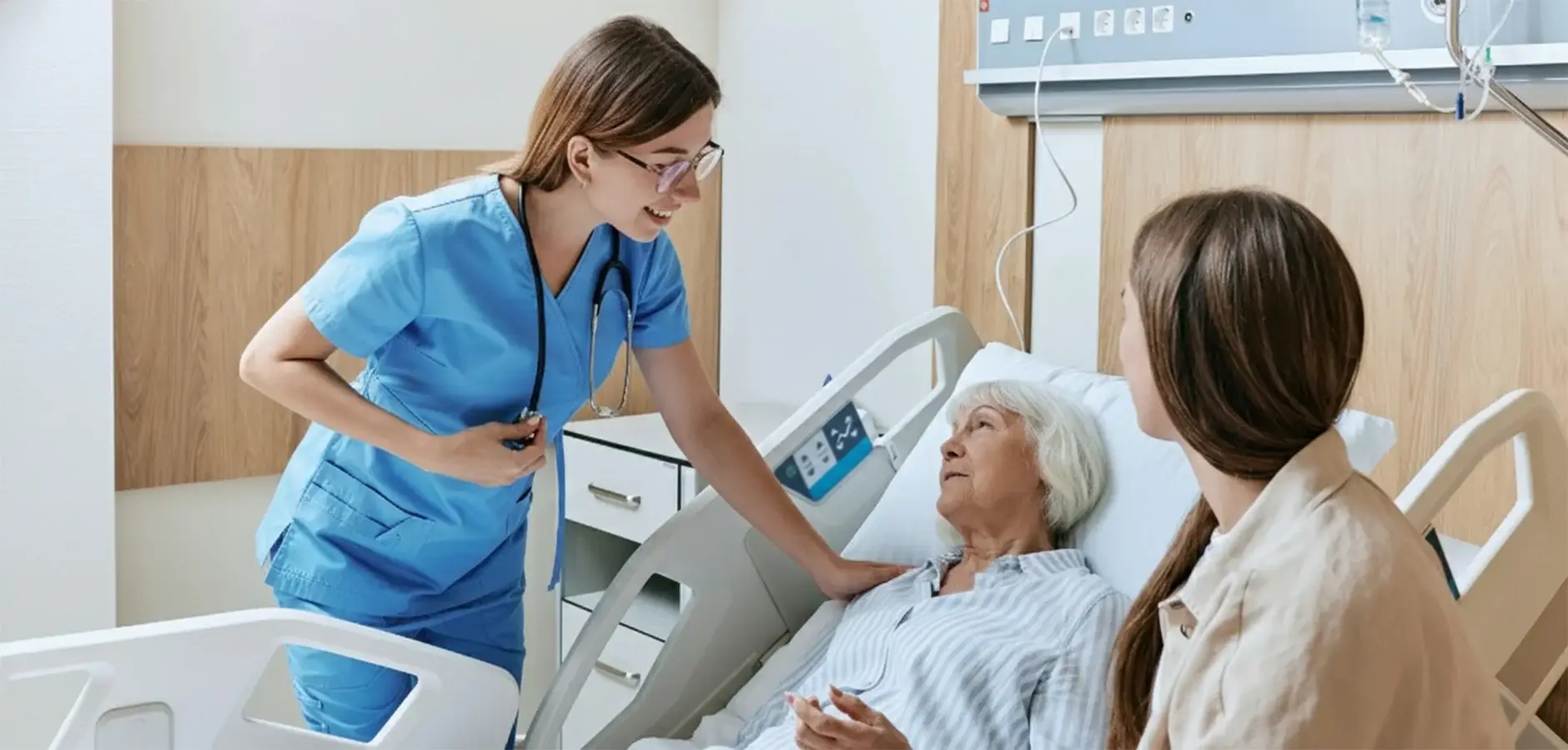
When Wound Care Becomes Part of Complex Recovery
Wound care at RML supports patients who:
-
Have complex or non-healing wounds requiring close medical oversight
-
Are medically fragile and not ready for outpatient or rehabilitation-based wound care
-
Require coordinated management of wounds alongside other serious conditions
-
Need hospital-level monitoring to reduce complications and support healing
Patients are often transferred to RML after an ICU or acute-care hospital stay, when wounds are one part of a larger medical recovery.
How Wound Care Works at RML
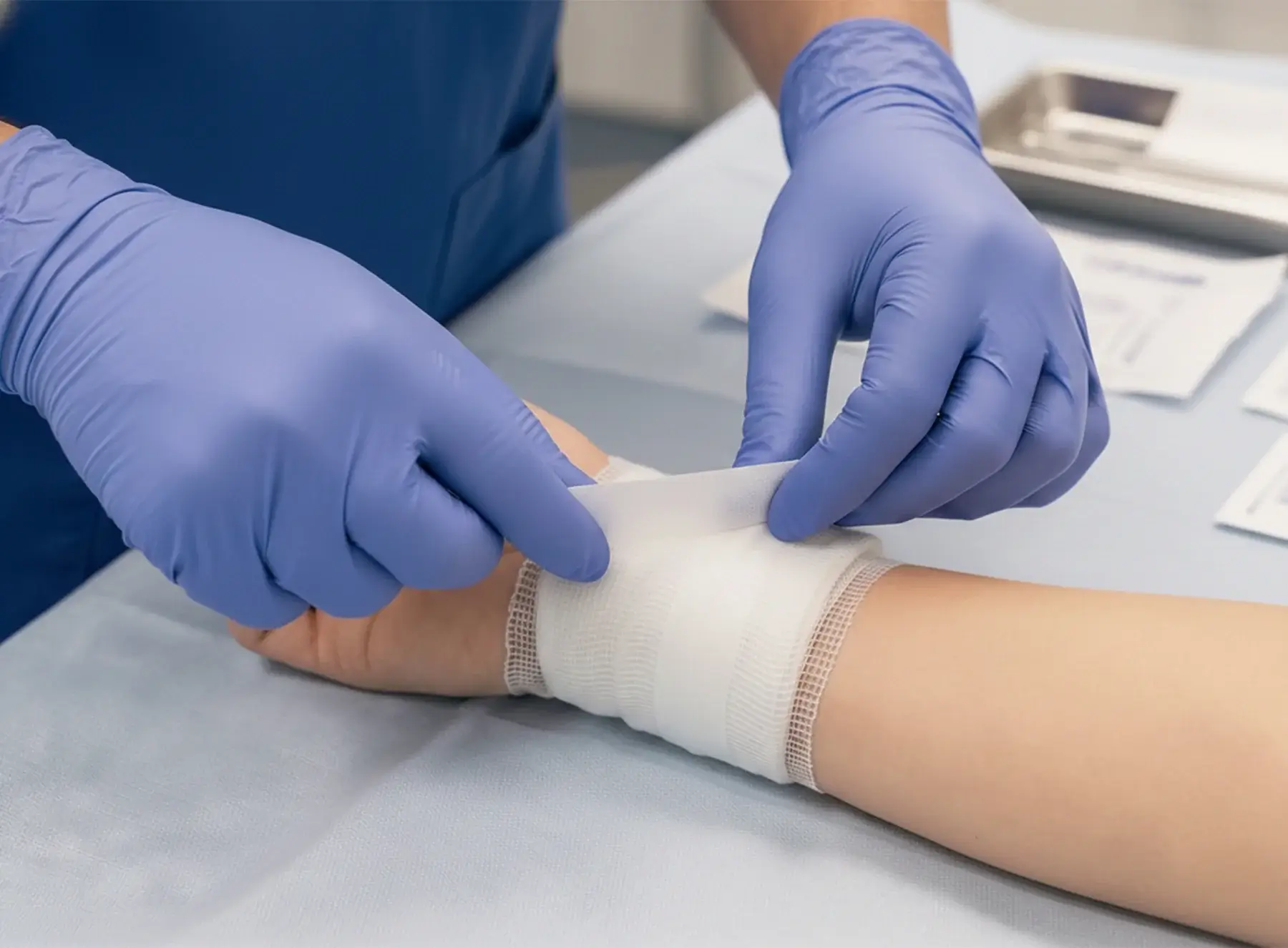
Wound management at RML is led by certified wound, ostomy, and continence nurses (WOCN), working in close collaboration with physicians and interdisciplinary care teams experienced in medically complex recovery.
Each patient is assigned to an attending physician who oversees care throughout the hospital stay. Wound management is supported by medical supervision from board-certified physicians, ensuring treatment decisions align with the patient’s overall medical needs.
Care is delivered through collaboration among:
-
Physician assistants, supporting coordinated medical management
-
Certified wound, ostomy, and continence nurses, leading wound management
-
Registered nurses experienced in high-acuity hospital care
-
Infectious disease specialists, when wounds involve infection or resistance concerns
-
Registered dietitians (RDN), addressing nutritional needs critical to wound healing
-
Physical and occupational therapists, helping reduce pressure-related risks and improve mobility
-
Pharmacists, review and manage complex medication regimens
Wound care plans are individualized, closely monitored, and adjusted as healing progresses and medical conditions change. Medical oversight is continuous, with 24/7 on-site physician presence.
Types of Wounds Treated at RML
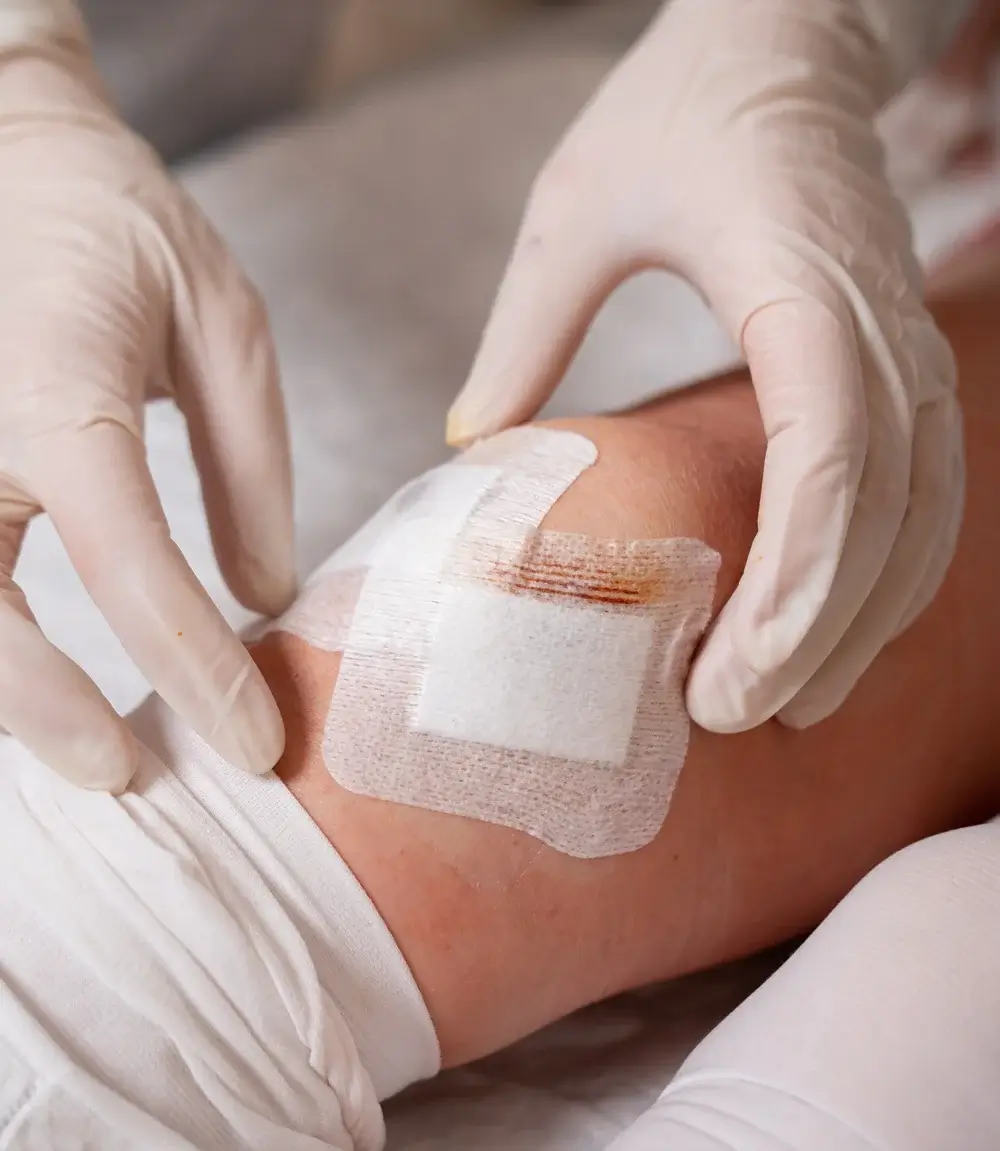
RML treats a wide range of complex and non-healing wounds, including:
-
Pressure ulcers (Stage III and IV)
-
Slow or non-healing wounds related to Diabetes and uncontrolled blood sugar, long-term steroid use, or poor nutrition
-
Surgical wounds with delayed healing or wound dehiscence
-
Infected wounds, including MRSA, VRE, and osteomyelitis
-
Wounds following major abdominal, hip, or knee surgery
-
Wounds related to traumatic injury or burns
-
Wounds resulting from radiation therapy
-
Collagen vascular wounds associated with autoimmune disease
-
Bone infections and enterocutaneous fistulas
Care focuses on supporting healing while addressing the conditions that affect recovery—not just the wound itself.
What Makes Wound Care at RML Different
Wound care at RML is designed specifically for patients whose wounds are part of a complex medical picture.
RML’s Wound Management Program has been recognized by the National Association of Long-Term Hospitals with a best practices award for innovations in pressure support reflecting a sustained commitment to quality and clinical excellence.
What distinguishes wound care at RML includes:
-
Hospital-level monitoring for patients with high medical complexity
-
Leadership by certified wound care specialists
-
Continuous physician oversight
-
Integration of wound management with respiratory, medical, and rehabilitative care
Care is guided by clinical judgment, patient response, and ongoing reassessment—not fixed timelines.
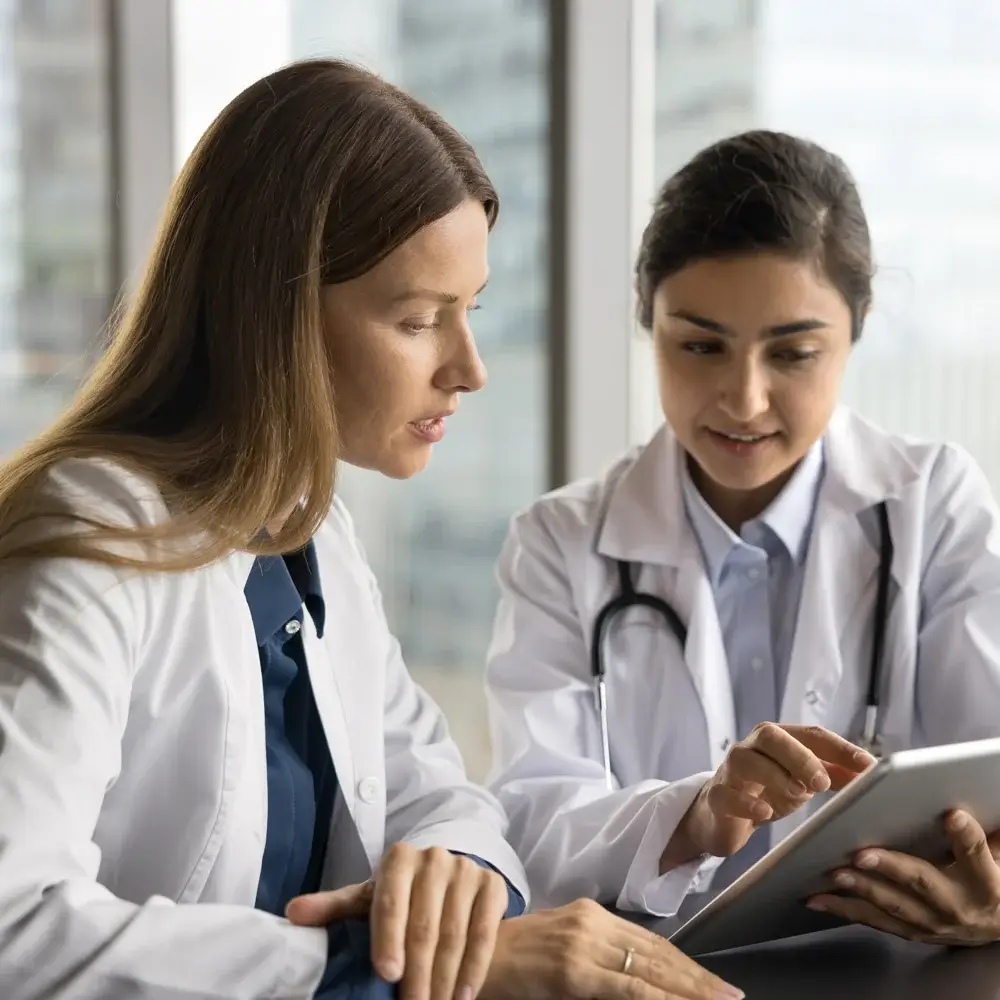
What Patients and Families Can Expect
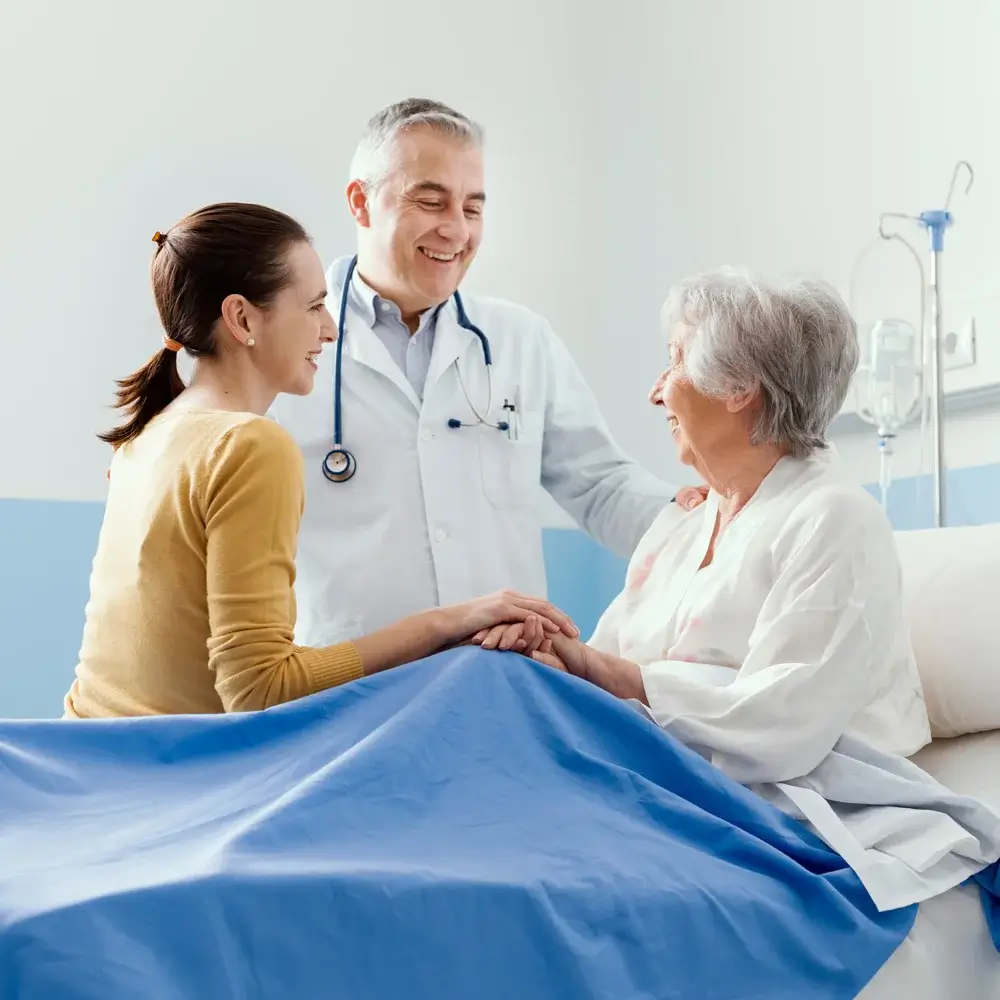
Healing complex wounds takes time, and progress can vary depending on overall health and medical needs.
Patients and families can expect:
-
Regular communication as wound care plans are reviewed
-
Clear explanations of changes in condition or treatment
-
Attention to comfort, dignity, and safety
-
Care plans that adapt as healing and recovery continue
Families are supported and kept informed throughout the hospital stay.
Exploring the Right Next Step
If complex wound care may be part of your loved one’s recovery, the resources below can help guide what to explore next.