Hospital-level Care for Patients Who Need More Time to Breathe on Their Own
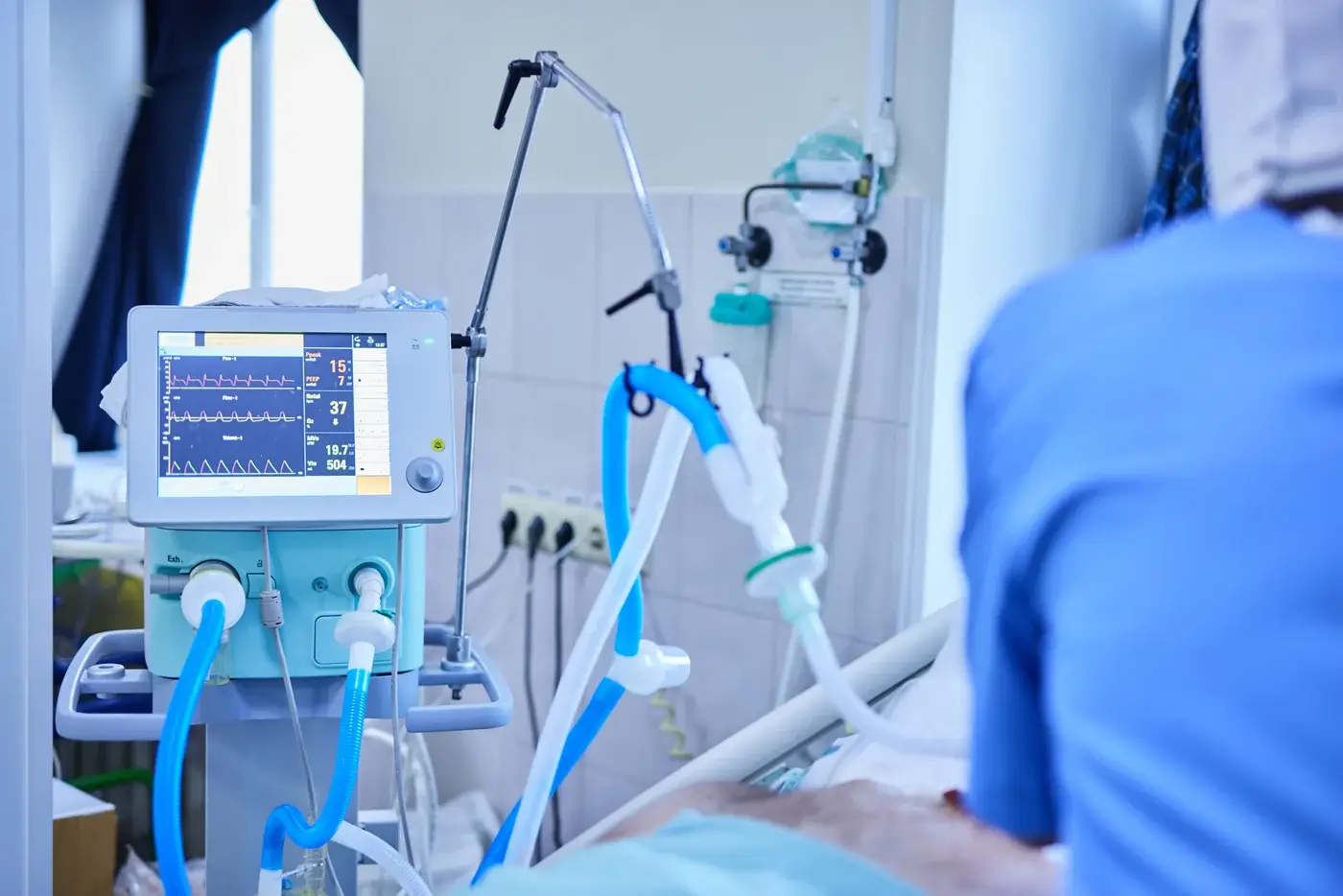
Some patients continue to require mechanical ventilation even after leaving the intensive care unit. When ventilator support is still needed, recovery often requires close medical oversight, daily reassessment, and coordinated care in a hospital setting.
RML Specialty Hospital provides ventilator weaning care for medically complex patients who need time, stability, and specialized respiratory support as recovery continues. Our program is designed to promote ventilator liberation when possible and to provide safe, supportive respiratory management tailored to each patient’s healing journey.
A Long-standing Focus on Ventilator-dependent Patients
Ventilator-dependent patients have been a primary focus of RML Specialty Hospital since 1987.
That long-standing focus reflects decades of experience caring for patients who require prolonged mechanical ventilation and careful, individualized assessment as part of recovery. Ventilator weaning is not an add-on service at RML, it is central to how care is delivered.
Over time, this focus has shaped RML’s care model, staffing, and clinical approach for patients with complex respiratory needs.
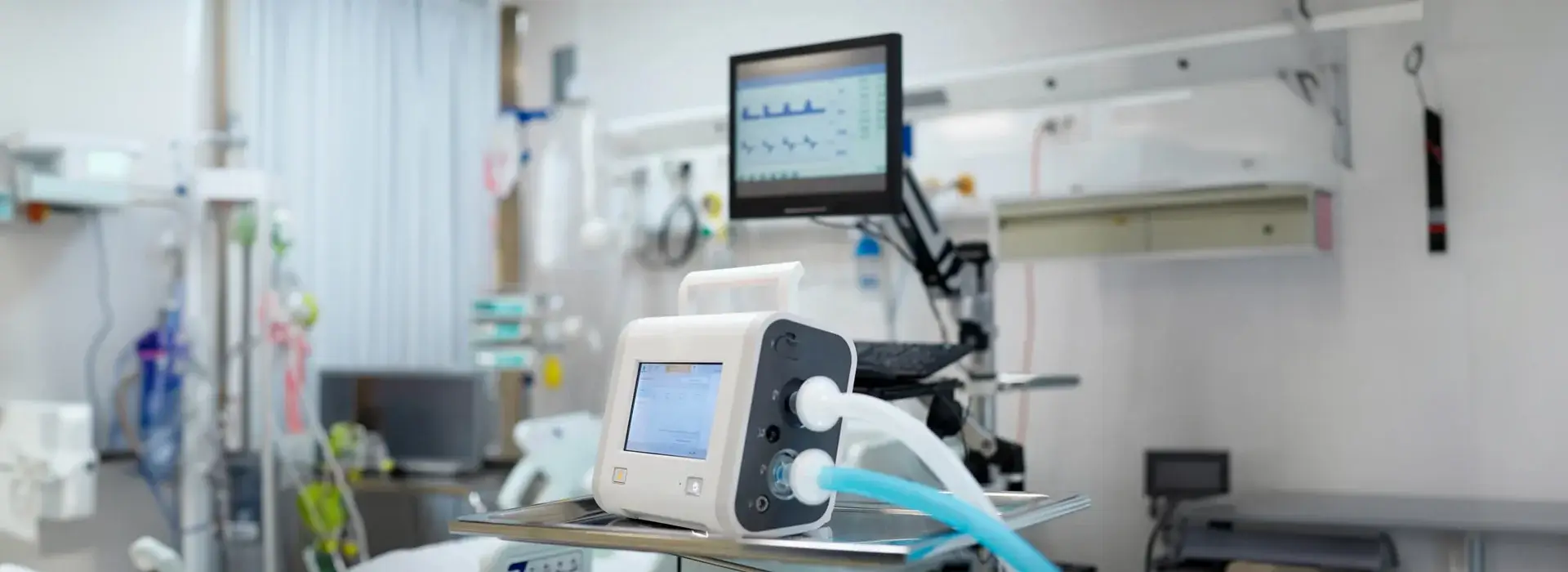
When Ventilator Weaning Becomes Part of Recovery
Needing prolonged ventilator support does not mean recovery has stopped. It often means recovery requires more time, close monitoring, and coordinated hospital-level care.
Patients may require ventilator weaning care when they are recovering from conditions such as:
-
Acute or chronic respiratory failure
-
Pneumonia or severe lung infections
-
Neuromuscular or neurologic conditions affecting breathing
-
Complications following surgery or critical illness
-
Prolonged ICU stays that result in respiratory weakness
At RML, ventilator weaning is part of continued hospital care—not a step away from treatment.
When Ventilator Weaning Requires Hospital-Level Care
Ventilator weaning care at RML supports patients who:
-
Remain dependent on mechanical ventilation after ICU treatment
-
Are medically complex and not ready for rehabilitation or discharge home
-
Require hospital-level monitoring during the weaning process
-
Need coordinated respiratory, medical, and rehabilitative support
Patients are typically transferred to RML once intensive care is no longer required, but hospital-level treatment is still necessary.
How Ventilator Weaning Works at RML
Ventilator weaning at RML is led by board-certified pulmonologists and supported by an experienced interdisciplinary care team.
Each patient is assigned an attending physician, often a pulmonologist, who oversees care throughout the hospital stay. This physician works closely with the care team to guide treatment decisions and ongoing assessment related to respiratory recovery and potential ventilator liberation.
Care is delivered through collaboration among:
-
Board-certified pulmonologists
-
Registered nurses experienced in ventilator-dependent care
-
Respiratory therapists supporting breathing assessment and respiratory treatment
-
Physical, occupational, and speech therapists, helping rebuild strength, endurance, and function
-
Clinical dietitians, supporting nutritional needs during recovery
-
Infectious disease specialists, when infections complicate respiratory recovery
-
Psychological and spiritual care providers, addressing emotional well-being
Medical oversight is continuous, with 24/7 on-site physician presence to support timely decision-making and patient safety.
Ventilator weaning plans are individualized, reviewed regularly, and adjusted as medical conditions change. Progress varies for each patient.
What Makes Ventilator Weaning at RML Different
Ventilator care is a core area of specialization at RML.
RML is the largest ventilator-weaning long-term acute care hospital in the United States, reflecting both scale and sustained experience caring for ventilator-dependent patients.
Ventilator weaning at RML is distinguished by:
-
Four decades-long focus on ventilator-dependent care
-
Continuous, on-site physician coverage
-
Hospital-level monitoring throughout recovery
-
An interdisciplinary care model designed for medically fragile patients
Care is guided by clinical judgment, patient response, and ongoing reassessment—not fixed timelines.
What Patients and Families Can Expect
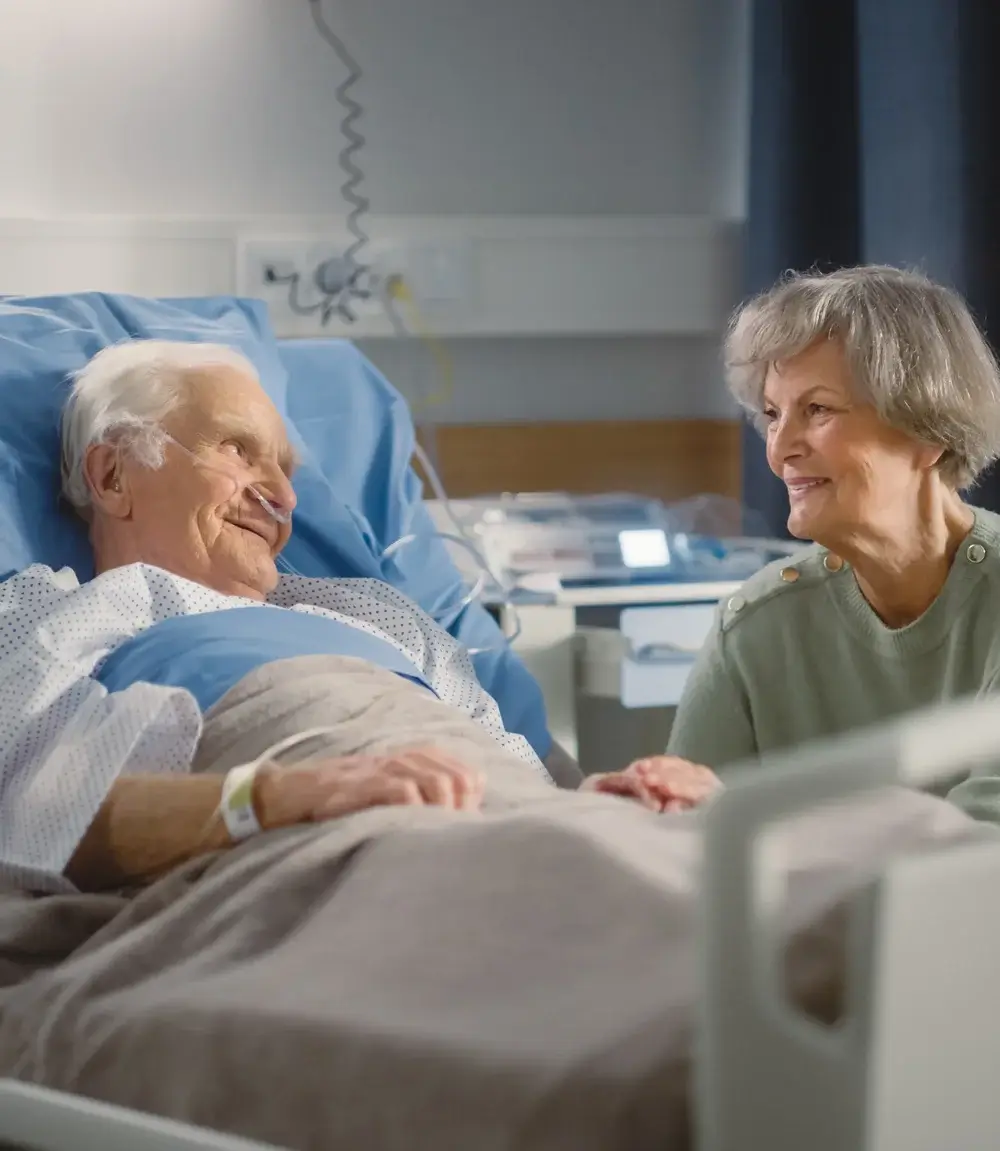
Families are important partners in care during ventilator weaning.
Patients and families can expect:
-
Regular communication as care plans are reviewed
-
Clear explanations of changes in condition or treatment
-
Attention to comfort, dignity, and safety
-
Recognition that recovery does not follow a predictable path
Whether care results in liberation from ventilator support or continued respiratory management, every patient’s experience is unique, and care is tailored accordingly.
Testimonials
“My family and I were really impressed with the people at RML and especially thankful for the care my sister received. My sister was admitted to be weaned from the ventilator and to get stronger so she could then go to rehab. They got her off the ventilator in less than a week, when she could then talk to us. The rehab team worked hard and encouraged my sister every day.”
Mary Jo S.
“The facility provided my son with excellent service, getting him off the ventilator, walking again, and removing the tracheostomy. We were there every day and got to know the staff very well. Our experience was positive.”
Marie R.
Exploring the Right Next Step
If ventilator weaning may be part of your loved one’s recovery, the resources below can help guide what to explore next.