Hospital-Level Care for Patients With Ventricular Assist Devices (VADs)
Recovery with a ventricular assist device can involve ongoing medical needs that extend beyond the acute-care hospital stay. RML Specialty Hospital provides hospital-level VAD support for patients whose recovery is complicated by medical instability and who are not yet ready for rehabilitation or discharge home.
When Ventricular Assist Device Support Requires Hospital-level Care
Patients with ventricular assist devices may experience complications or instability that make lower-acuity settings unsafe. Continued hospital-level care allows for close monitoring and coordinated management during recovery.

Who May Need Hospital-level Ventricular Assist Device Support
Some patients require hospital-level VAD support because medical complexity makes rehabilitation or discharge inappropriate. In these cases, recovery depends on coordinated care and continuous physician oversight.
Patients may require hospital-level VAD support when they:
-
Need close cardiac and medical monitoring during recovery
-
Have additional conditions such as respiratory needs, complex wounds, or deconditioning
-
Are living with a ventricular assist device as a bridge to heart transplant
-
Require long-term VAD support when transplant is not an option
How Ventricular Assist Device Support Works at RML
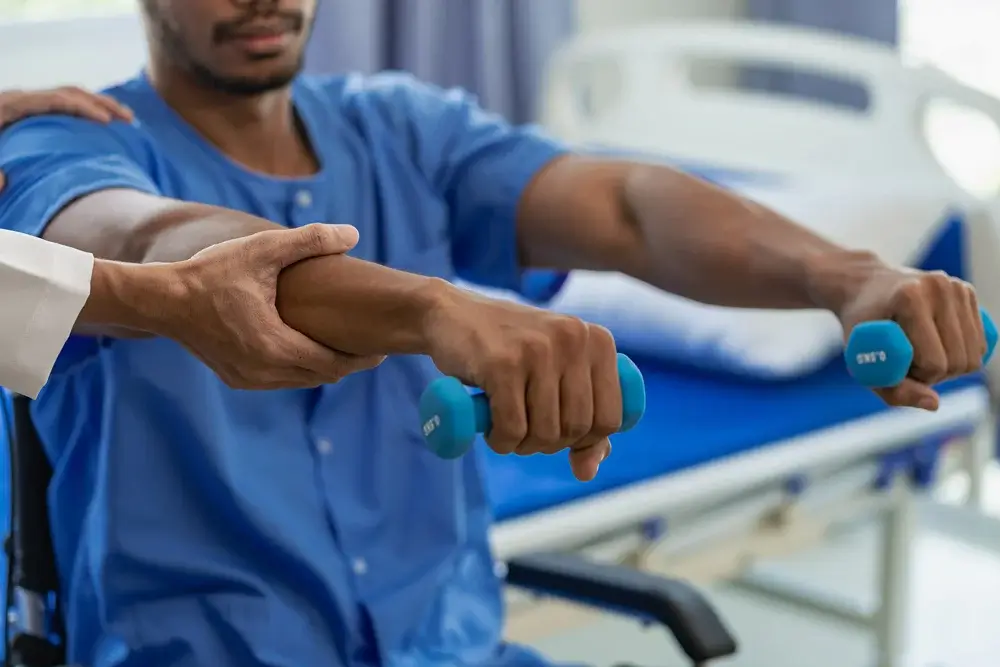
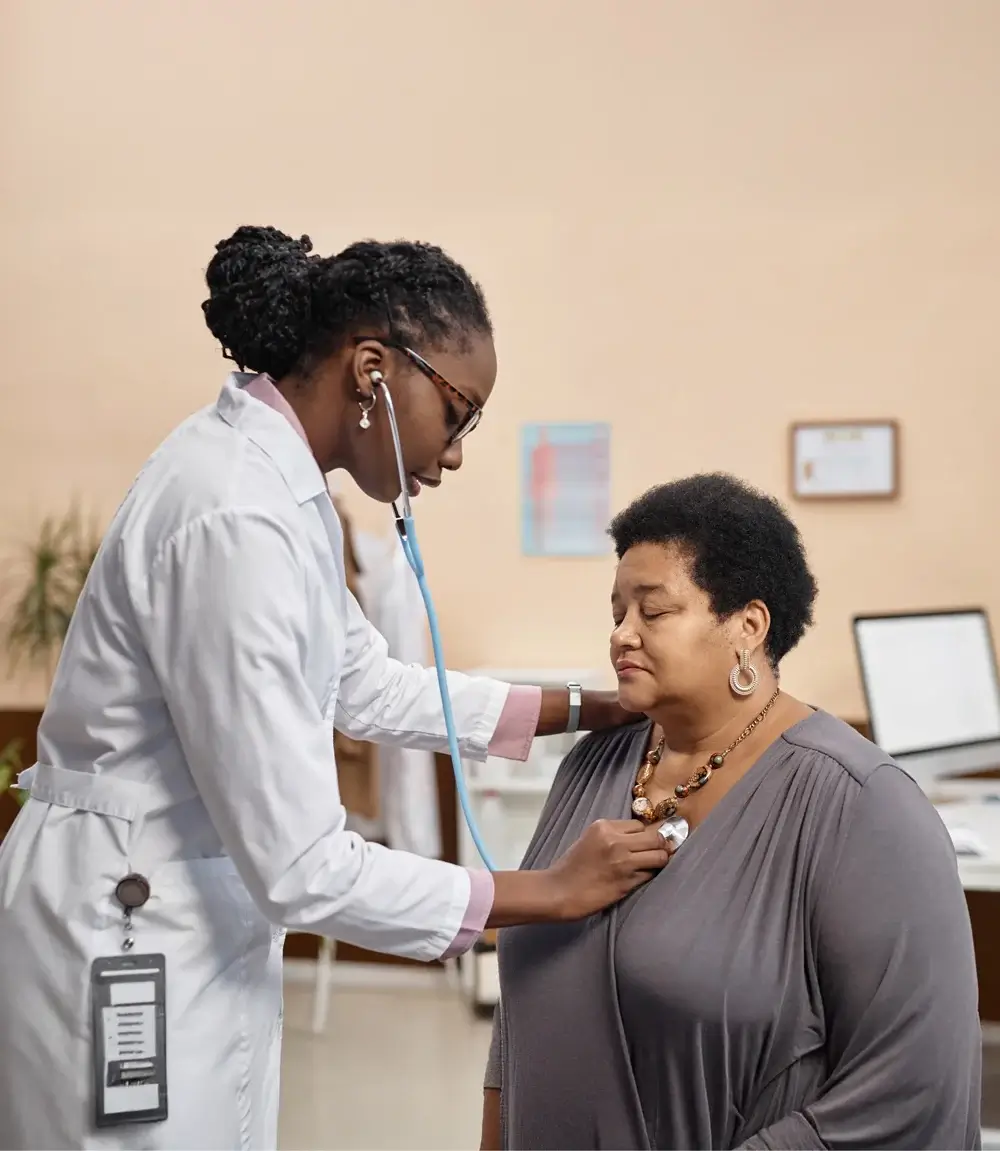
Ventricular assist device support at RML is delivered within a hospital-level care environment focused on safety, monitoring, and coordination. Physicians, nurses, and therapists work together to manage medical needs while supporting recovery.

RML’s Experience in Medically Complex VAD Care
Ventricular assist device support has been a focused area of care at RML for many years.
Specialized Clinical Experience
Care teams support patients with ventricular assist devices whose recovery is affected by complex medical conditions.
Dedicated Monitoring Environment
Patients are cared for in dedicated rooms designed for advanced cardiac monitoring with nurses trained specifically in VAD support.

“Living with a ventricular assist device can feel uncertain, especially when recovery doesn’t follow a clear timeline. Our team focuses on close monitoring, clear communication, and coordinated care—so patients and families understand what’s happening and feel supported as needs change.”
Exploring the Right Next Step
If hospital-level ventricular assist device support may be part of your loved one’s care journey, the resources below can help guide what to explore next.